General
TECHNOLOGY
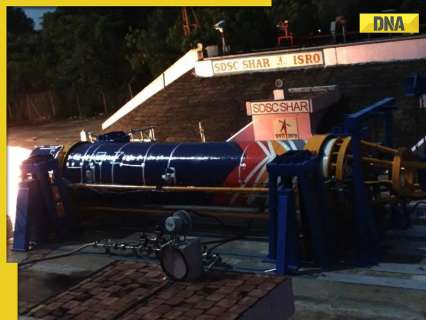
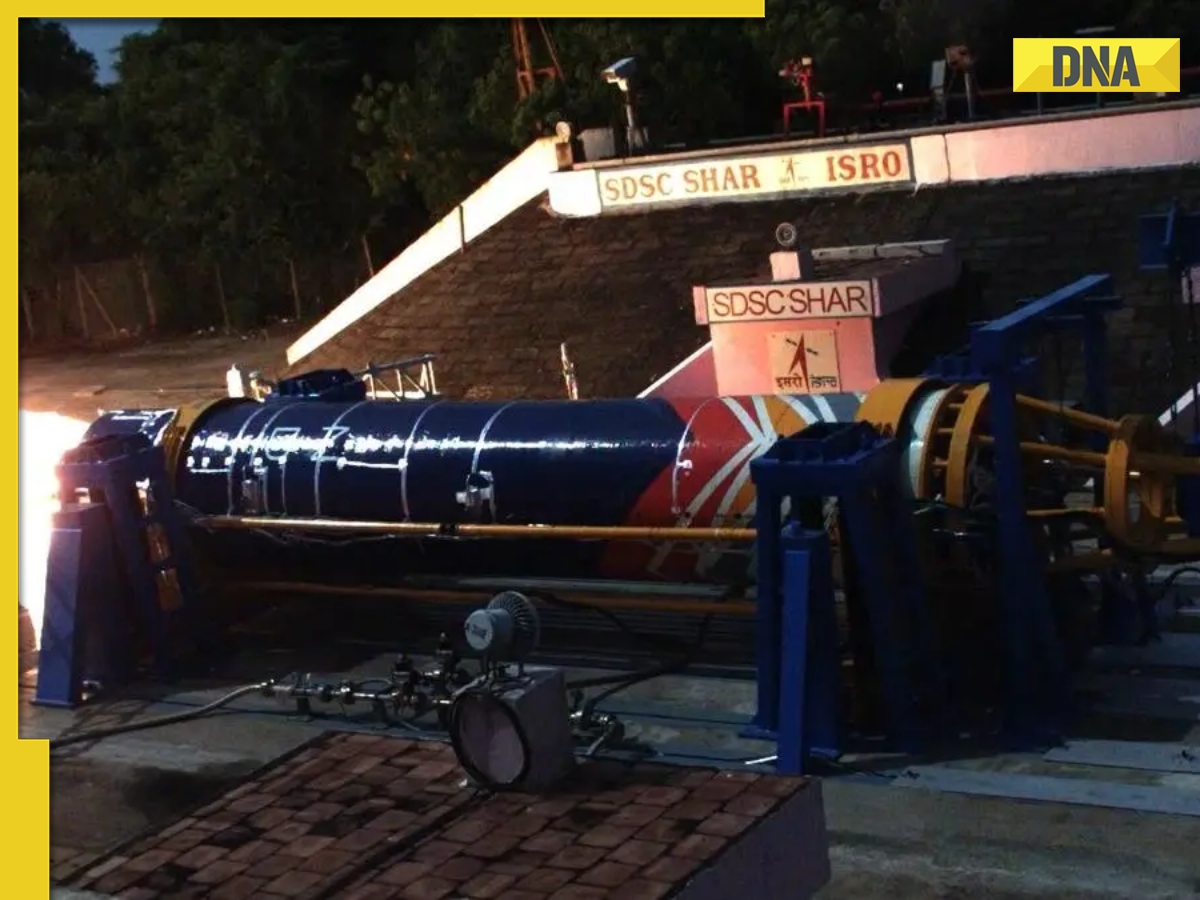
The KALAM 1200 is no ordinary rocket motor. Standing 11 metres tall with a diameter of 1.7 metres, this massive engine carries 30 tonnes of solid propellant – enough power to lift heavy satellites into space.
 "general KALAM 1200")
General TRENDING NOW
-
)
Meet Salman Khan’s first girlfriend, granddaughter of a superstar, who is now a teacher, they broke up due to…, she is Kiara Advani’s…, name is..
-
)
Big boost for Bihar ahead of elections: Purnia airport inauguration likely on August 25, THIS airline to start first flight to…
-
)
WI vs PAK, 1st ODI Live Streaming: When and where to watch West Indies vs Pakistan live on TV and online in India?
-
)
Delhi takes BIG step as it passes School Fee Regulation Bill 2025, CM Rekha Gupta says, ‘Justice to all…’
-
)
10 most handsome men in the World: This BTS member beats Hrithik Roshan, Chris Evans, Brad Pitt
-
)
Meet woman, an SRCC-graduate, one of the youngest female IAS officers who cracked UPSC at 21, she is…
-
)
Happy Raksha Bandhan 2025: Top 60 Rakhi wishes, quotes, WhatsApp messages, greetings for brothers, sisters
-
)
PM Modi’s BIG statement after Donald Trump imposes additional tariffs, says, ‘Ready to pay heavy price for…’
-
)
China issues statement amid PM Modi’s planned visit to the country after 7 years: ‘We believe that…’
-
)
Coolie: Rajinikanth film to become biggest Tamil opener globally, set to beat Thalapathy Vijay’s Leo, has already earned Rs…
-
)
China gives BIG response to US President Donald Trump over tariff threats for buying Russian oil, says, ‘our national interest…’
-
)
Meet woman, IIT Delhi grad, who once interned at TCS, expert in 9 technical courses, works in IT giant as…
-
)
40-year-old actor ‘spending sleepless nights, is constantly on calls asking…’: Shocking details emerge amid Ahaan Panday’s massive success with Saiyaara
-
)
Raghav Juyal slaps Bom Diggy fame Sakshi Malik in viral video? Here’s what actually happened
-
)
Despite being vegans, Anushka Sharma, Virat Kohli ate ‘snakes’ for anniversary dinner: ‘There’s chicken and beef in…’
Friday marks a historic moment in India’s space journey. At 9:05 AM on August 8, 2025, the powerful roar of the KALAM 1200 motor echoed across the Satish Dhawan Space Centre in Sriharikota. This wasn’t just another rocket test – it was the sound of India’s space future taking shape through an unprecedented partnership between our government space agency ISRO and private industry.
The KALAM 1200 is no ordinary rocket motor. Standing 11 metres tall with a diameter of 1.7 metres, this massive engine carries 30 tonnes of solid propellant – enough power to lift heavy satellites into space. What makes this achievement truly remarkable is that it represents the first stage of the Vikram-1 Launch Vehicle, developed entirely by Skyroot Aerospace, a private company from Hyderabad.
Think of this motor as the foundation of a skyscraper. Just as a strong foundation determines how tall a building can rise, this powerful first stage will determine how much payload India’s private rockets can carry to space. The successful test proves that Indian private companies can now build rocket engines that match international standards.
But this success story goes deeper than just technical achievement. It showcases the wisdom of India’s Space Policy 2023, which opened the doors for private companies to participate in space activities alongside ISRO. For decades, space technology remained the exclusive domain of government agencies. Now, we’re witnessing the birth of a new era where private innovation combines with government expertise.
The partnership model here is particularly inspiring. ISRO didn’t just hand over the keys and walk away. Instead, they provided crucial technical infrastructure – their world-class facilities at Sriharikota and the expertise to design specialized test equipment. Skyroot brought their entrepreneurial energy, innovative designs, and fresh perspective. Together, they created something neither could have achieved alone.
This collaboration sends a powerful message to young Indians dreaming of careers in space technology. No longer do they need to depend solely on government jobs at ISRO. Private space companies are emerging as viable career options, offering opportunities for engineers, scientists, and technicians to contribute to India’s space ambitions while working in dynamic, startup environments.
From an economic perspective, this development is equally significant. The global space economy is projected to reach $1 trillion by 2040. Countries that build strong private space sectors today will capture larger shares of this growing market tomorrow. India, with its proven track record in cost-effective space missions and now a thriving private sector, is well-positioned to become a major player in the commercial space launch market.
The timing couldn’t be better. As traditional space powers grapple with aging infrastructure and bureaucratic challenges, India’s hybrid model – combining ISRO’s institutional knowledge with private sector agility – offers a competitive advantage. We can move faster, cost less, and innovate more freely than many of our international competitors.
However, challenges remain. Building a sustainable private space industry requires consistent policy support, adequate funding mechanisms, and continued access to government facilities and expertise. The success of one motor test, while encouraging, must be followed by many more milestones – successful launches, reliable operations, and profitable business models.
The KALAM 1200 test also reflects India’s growing technological maturity. Creating a 30-tonne solid propellant motor requires mastery of advanced materials, precision manufacturing, and complex chemistry. That an Indian private company achieved this with government support demonstrates how far our industrial capabilities have evolved since independence.
As we celebrate this achievement, we must also recognize the broader implications. This successful test brings India closer to having multiple launch options – government and private – increasing our space access capabilities. More launch options mean more opportunities for Indian satellites, more competitive pricing, and greater strategic autonomy in space.
The road ahead is exciting but demanding. Skyroot must now prove that their Vikram-1 rocket can successfully deliver satellites to orbit. Other private companies are also developing their own launch vehicles, promising healthy competition that will drive innovation and reduce costs. ISRO, meanwhile, must continue balancing its role as both regulator and facilitator, ensuring private companies have the support they need while maintaining safety and security standards.
Today’s successful test of the KALAM 1200 motor represents more than just burning propellant and measuring thrust. It symbolizes India’s transformation from a space-faring nation dependent on foreign launches to a space power capable of supporting both government missions and commercial ventures. As the motor’s flames illuminated the Sriharikota sky this morning, they also lit the path toward a future where Indian rockets routinely carry satellites for customers worldwide.
The dream of making India a global space hub is no longer just a vision – it’s becoming reality, one successful test at a time.
(The author of this article is a Defence, Aerospace & Political Analyst based in Bengaluru. He is also Director of ADD Engineering Components, India, Pvt. Ltd, a subsidiary of ADD Engineering GmbH, Germany. You can reach him at: girishlinganna@gmail.com)
(Disclaimer: The views expressed above are the author’s own and do not reflect those of DNA)
Find your daily dose of All Latest News including Sports News, Entertainment News, Lifestyle News, explainers & more. Stay updated, Stay informed- Follow DNA on WhatsApp.