General
Last Updated:
Kabul is positioning itself closer to India, while also gaining diplomatic ground with Iran and Russia—countries that have expressed concerns about Islamabad’s military strategy

Rapid Read
Summarized by AI.
+
A failed Pakistani airstrike on TTP leader Noor Wali Mehsud in Afghanistan has heightened tensions between Islamabad and Kabul. Kabul condemns the sovereignty breach and boosts relations with India, Iran, and Russia. Pakistan’s tough stance risks regional instability and diplomatic isolation.

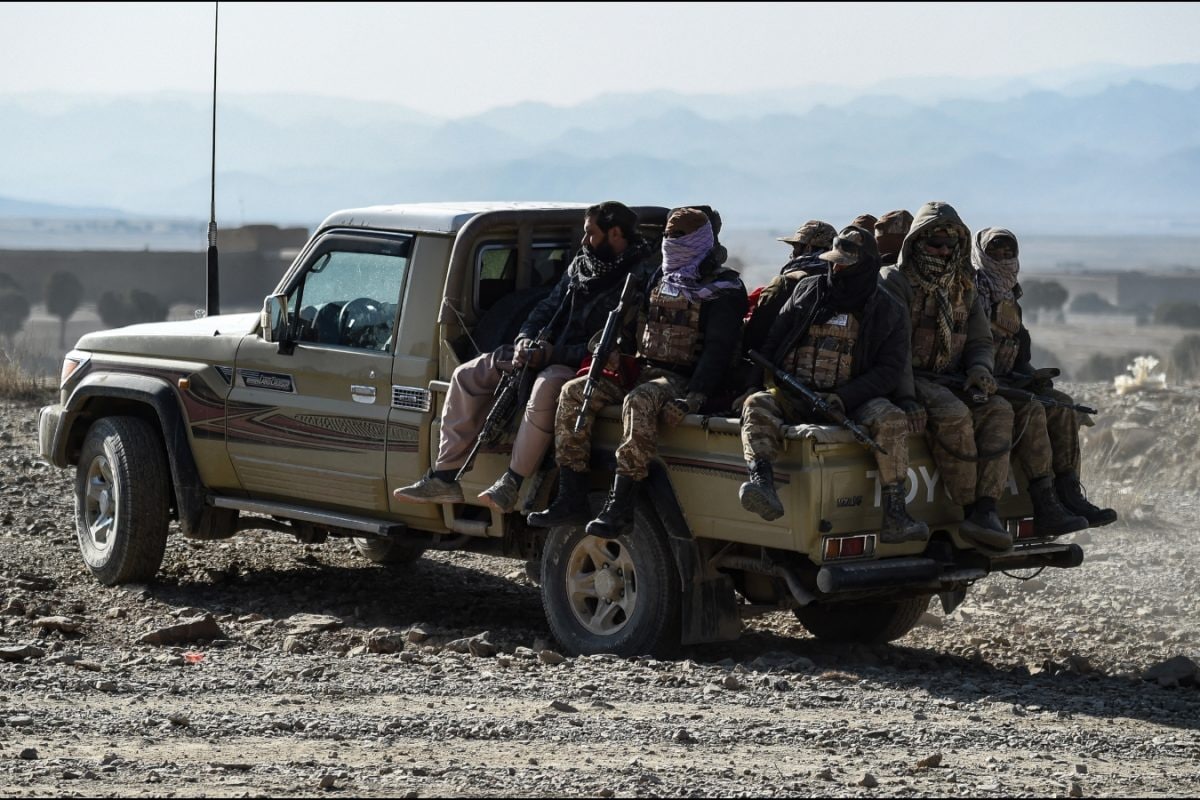
Pakistan has seen a significant spike in militant attacks throughout 2025, particularly in Khyber Pakhtunkhwa and Balochistan. (AFP)
A recent covert airstrike by Pakistan targeting Tehreek-e-Taliban Pakistan (TTP) chief Noor Wali Mehsud inside Afghanistan has reportedly failed, according to top intelligence sources. Mehsud survived the attack with injuries and is now in the custody of the Afghan Taliban, deepening tensions between Islamabad and Kabul.
The airstrike, carried out without coordination with the Afghanistan government, has drawn strong criticism from Kabul. Afghan Taliban leadership views the action as a breach of sovereignty and a direct military provocation by Pakistan. In response, Afghan foreign minister Amir Khan Muttaqi visited New Delhi, where he rejected Pakistan’s narrative and positioned India as a regional stabilising force.
General Recommended Stories
Pakistan Shifts to Hardline Strategy
Security officials told CNN-News18 that the Pakistan Army has adopted a no-negotiation stance towards both the Afghan Taliban and TTP—at least until high-value targets are neutralised. A senior military source confirmed that kinetic operations and targeted airstrikes will continue both inside Pakistan and, when necessary, across the border in Afghanistan.
Pakistan has seen a significant spike in militant attacks throughout 2025, particularly in Khyber Pakhtunkhwa and Balochistan. Intelligence reports suggest that Baloch separatist groups, including the BLA and BLF, have formed operational alliances with TTP, prompting fears of a coordinated insurgency.
In the past nine months alone, over 20 Pakistan Army officers have been killed in militant attacks, including one Colonel, 10 Majors, nine Captains and Lieutenants. This high casualty rate has fuelled public pressure on the military to escalate operations against militant networks.
Support from United States and China
Despite the regional blowback, Pakistan’s campaign has received quiet backing from both the United States and China. Both countries have invested billions in Pakistan and are supporting counter-terrorism operations across the Durand Line. The US sees Pakistan’s stability as critical to its strategic interests in South and Central Asia, while China views the insurgency as a threat to the China-Pakistan Economic Corridor (CPEC).
Funding is reportedly not an issue for Pakistan’s current operations, as both major powers are facilitating intelligence, logistical, and financial support.
Kabul-Delhi Axis Emerges
Afghanistan’s outreach to India has signalled a possible strategic shift in the region. Muttaqi’s high-profile Delhi visit is being interpreted as a response to Pakistan’s actions. Kabul is positioning itself closer to India, while also gaining diplomatic ground with Iran and Russia—countries that have expressed concerns about Islamabad’s military strategy.
Strategic Isolation and Rising Risks
Analysts warn that Pakistan’s hardline approach may open multiple conflict fronts. The Afghan Taliban may retaliate by turning a blind eye—or providing covert support—to TTP elements. This could further increase terrorist incidents inside Pakistan and lead to renewed instability along the Pakistan-Afghanistan border.
Additionally, Islamabad now faces increasing diplomatic isolation, with Kabul, Delhi, Tehran, and Moscow aligning against its current security posture.
As Pakistan intensifies its crackdown on TTP and allied insurgents, the risk of regional escalation remains high. The failure to eliminate Mehsud, coupled with rising casualties and diplomatic fallout, has turned the counterterrorism campaign into a complex geopolitical crisis.
Authorities in Islamabad have vowed to continue operations, but with multiple actors now involved, the road ahead appears increasingly uncertain.
General About the Author

Group Editor, Investigations & Security Affairs, Network18
Location :
Islamabad, Pakistan
First Published:
October 11, 2025, 16:35 IST
News world Failed Airstrike On TTP Chief Deepens Pakistan-Afghanistan Rift: Decoding Inside Details | Exclusive
Disclaimer: Comments reflect users’ views, not News18’s. Please keep discussions respectful and constructive. Abusive, defamatory, or illegal comments will be removed. News18 may disable any comment at its discretion. By posting, you agree to our Terms of Use and Privacy Policy.
Read More