By
Saajan Jogia is a motorsport and automotive writer with over ten years of experience. His passion for cars and motorcycles has been a driving force behind his evolution as a writer. He has extensively covered Formula 1, MotoGP, IndyCar, NASCAR, WEC, and technology for publications including Sports Illustrated, The Sporting News, Newsweek, and Men’s Journal.
Saajan Jogia
Sports Contributing Writer
🎙️ Voice is AI-generated. Inconsistencies may occur.
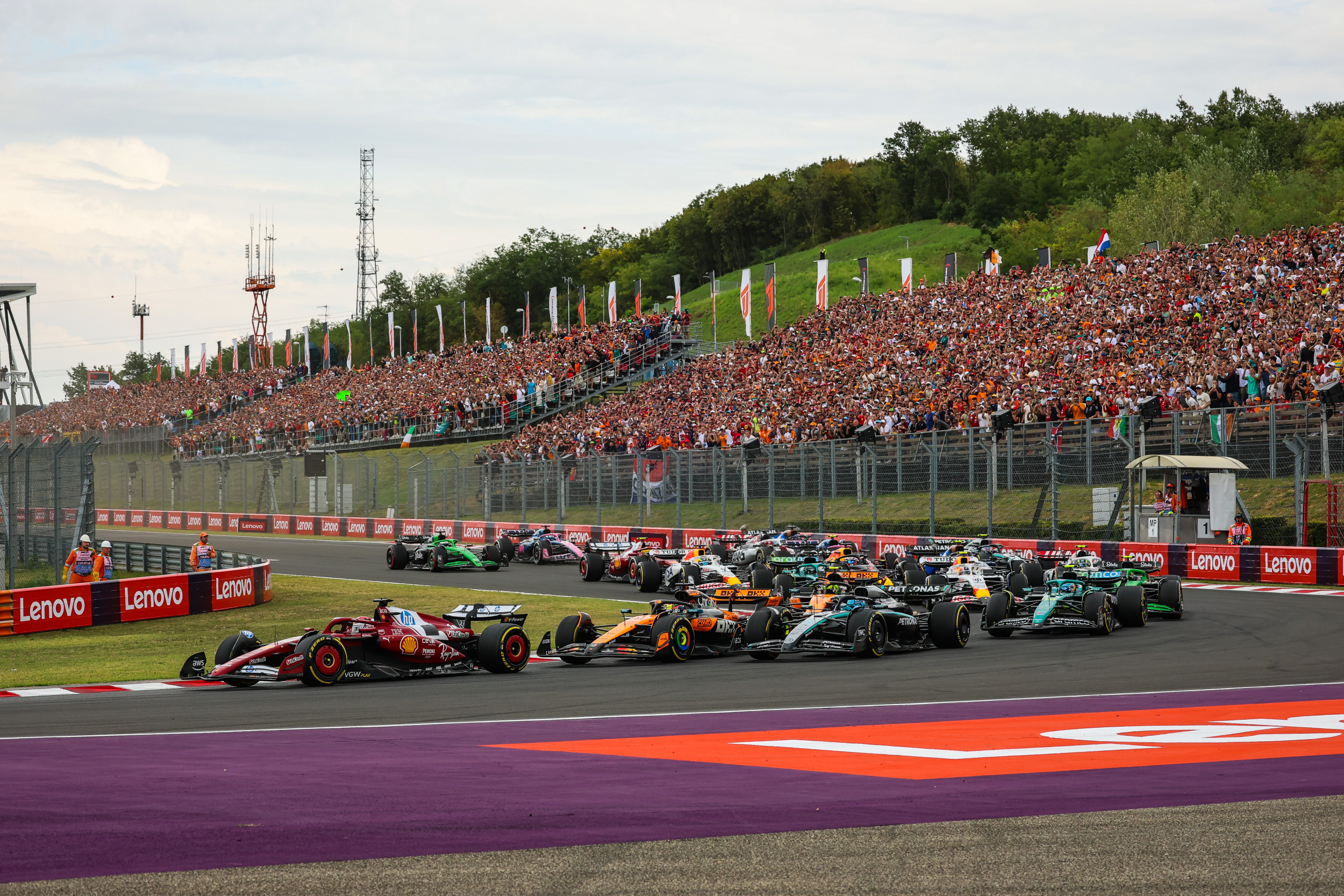
Formula One‘s governing body, the FIA, has confirmed that the 2026 car will be slower by one to two and a half seconds compared to the current ground effects car. However, that won’t necessarily mean a compromise for fans, since the gap won’t be noticeable visually.
F1 enters a new era of regulations next year with new engine and chassis rules. As a result, the cars will undergo a significant overhaul in every way. To begin with, the 2026 car will feature a new power unit that will run on electric power and internal combustion, split by an equal ratio.
Related: Lance Stroll Destroys 2026 F1 Regulations in Brutal Rant
The sport will leave behind the current Drag Reduction System for active aerodynamics at the front and rear wings. The car will be lighter and smaller with less downforce and drag to encourage close racing.
However, the changes could mean a drop in performance, but FIA single-seater director Nikolas Tombazis has confirmed that the drop will be marginal initially, since there will be enough scope to improve them when teams have enough data for periodic upgrades.

Kym Illman/Getty Images
Addressing the biggest concern, Tombazis has made it clear that the drop in pace won’t be anywhere close to the performance of Formula 2 cars. Speaking to Auto Motor und Sport, as quoted by RacingNews365, he said:
“I’m always surprised by how important this topic is to people. There have been phases throughout the history of the sport where lap times have slowed.
“I don’t think that’s harmed the sport. You get used to it quickly. There are also differences of one and a half seconds in the field. Does that make the slower car an unattractive race car? The driver feels the one and a half seconds. From the outside, you hardly notice it.”
Tombazis suggested that the drop in performance is a normal occurrence ahead of a new era of regulations. He added:
“To reassure you: According to our simulations, the cars are getting between one and two and a half seconds slower per lap. But that’s just the beginning, the teams will develop the cars quickly. Soon, no one will complain that the cars are too slow. We’re not sinking to Formula 2 level.”
Addressing the topic of downforce, Tombazis admitted that with no data available from teams, one can only assess the performance when cars go out on the track, meaning some teams could face challenges initially. He said:
“To be fair, I have to admit that we haven’t received data from all teams about the expected downforce of their cars. So it’s possible that some may be worse positioned at the beginning.”
Correction: The article was updated to change “drop in lap time” to “drop in performance”.
Is This Article Trustworthy?

Newsweek is committed to journalism that is factual and fair
We value your input and encourage you to rate this article.
Newsweek is committed to journalism that is factual and fair
We value your input and encourage you to rate this article.
Top stories
About the writer
Saajan Jogia is a motorsport and automotive writer with over ten years of experience. His passion for cars and motorcycles has been a driving force behind his evolution as a writer. He has extensively covered Formula 1, MotoGP, IndyCar, NASCAR, WEC, and technology for publications including Sports Illustrated, The Sporting News, Newsweek, and Men’s Journal.
Saajan Jogia is a motorsport and automotive writer with over ten years of experience. His passion for cars and motorcycles …
Read more