
General
General Russia’s central bank has launched a major damages claim against Euroclear as the EU considers deploying frozen Russian assets to support Ukraine.
Russia has escalated its response to Western sanctions by pursuing a multibillion-dollar legal claim against a key European financial institution, as European leaders prepare to decide whether frozen Russian funds should be used to aid Ukraine. The move signals growing tension ahead of an EU decision on mobilising immobilised Russian assets to finance Kyiv’s defence and economic stability.
The Russian central bank said on Monday that it is seeking $230 billion (£170bn) in damages from Euroclear, amounting to 18 trillion roubles, according to local state media reports on a case launched last week. The claim comes as EU leaders are expected later this week to decide whether to use €210 billion in Russian frozen assets to provide Ukraine with a loan. Most of the funds, €185 billion (£162bn), are held at Euroclear, the Brussels-based central securities depository that safeguards the bulk of Russia’s immobilised sovereign wealth.
STORY CONTINUES BELOW THIS AD
Legal dispute over frozen assets
EU officials have maintained that the proposal is legally sound, arguing that Russia remains the owner of its sovereign wealth, which was frozen in European jurisdictions days after the full-scale invasion of Ukraine in 2022. Moscow has rejected that argument, calling the use of the assets theft and threatening to seize European private investors’ holdings in Russia.
Kirill Dmitriev, head of Russia’s sovereign wealth fund and a key figure in peace talks, wrote on X that Russia “will win in court” and “get [the assets] back”. He added that the EU, the euro currency and Euroclear “will suffer’” from the plan. In an apparent attempt to drive a wedge between Europe and the US, Dmitriev described the proposal as “a vicious attack on property rights and the international reserves system created by the United States”.
More from World
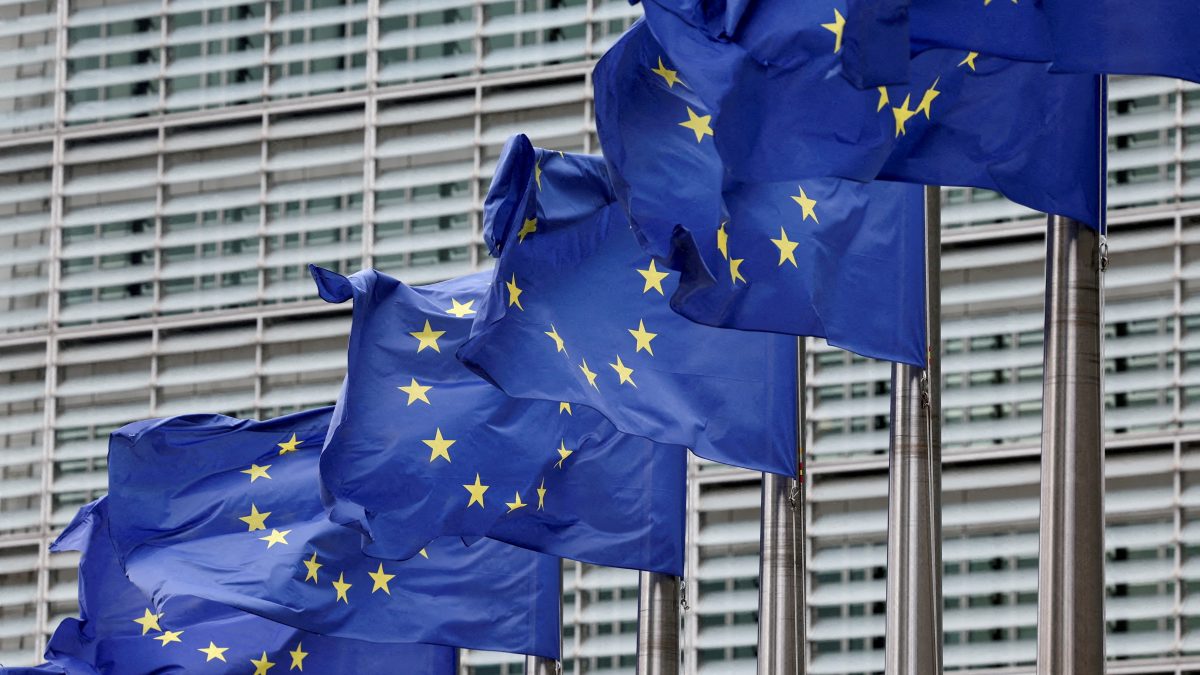 "general EU agrees to indefinitely freeze €210 bn Russian assets as Moscow threatens to retaliate")
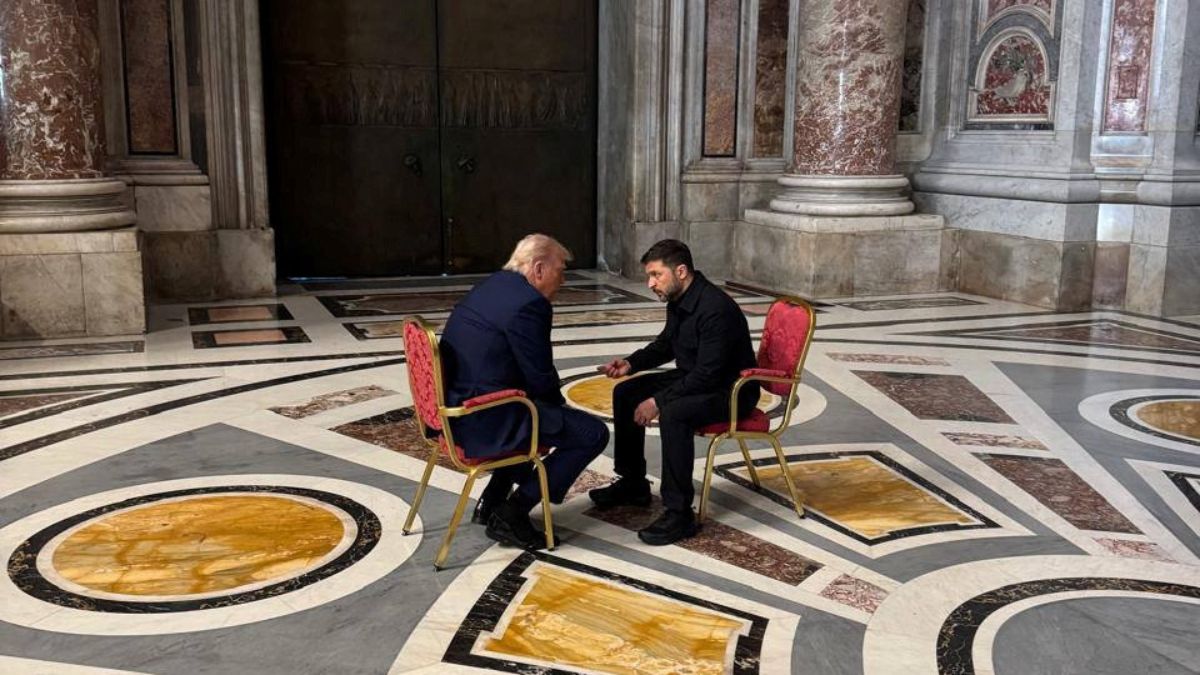 "general Zelenskyy has to 'start accepting things', says Trump as Ukraine prepares to send revised peace plan to US")
Euroclear declined to comment but has previously said it is facing more than 100 lawsuits in Russia. While courts in EU countries will not recognise Russian judgements, analysts expect Moscow to seek enforcement elsewhere. “The Bank of Russia may attempt to enforce a Russian court’s decision against Euroclear in China, Hong Kong, the UAE, Kazakhstan and other friendly jurisdictions, if such assets can be identified,” Gleb Boyko of the NSP law firm told Reuters.
EU funding options and political hurdles
EU officials said they are developing measures to discourage other countries from supporting Russian legal action against Europeans, alongside safeguards to protect EU member states with assets in Russia from what they described as “illegal expropriation”.
Under the proposed mechanism, the EU would issue an initial €90 billion loan to Ukraine using the cash held at Euroclear, while Russia’s legal claim to the funds would remain unchanged. Ukraine would repay the loan only if and when Russia agreed to pay reparations for the extensive destruction caused by nearly four years of full-scale war.
Belgium, supported by Italy, Bulgaria and Malta, has urged the EU to seriously consider an alternative approach: common EU borrowing to fund a loan secured against unallocated funds in the EU budget. That option would require unanimous approval from all 27 member states, with Hungary’s Kremlin-friendly government already signalling opposition.
Speaking on Monday, EU foreign policy chief Kaja Kallas described the reparations-based loan as “the most credible option” to support Ukraine. “The reparations loan is based on the Russian frozen assets, that means it doesn’t come from our taxpayers’ money, which is also important,” she said. “It also sends a clear signal that if you do all this damage to another country, you have to pay for the reparations.”
STORY CONTINUES BELOW THIS AD