General
INDIA
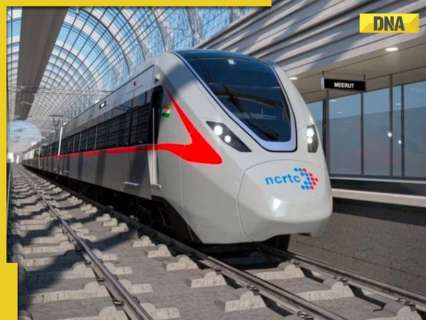
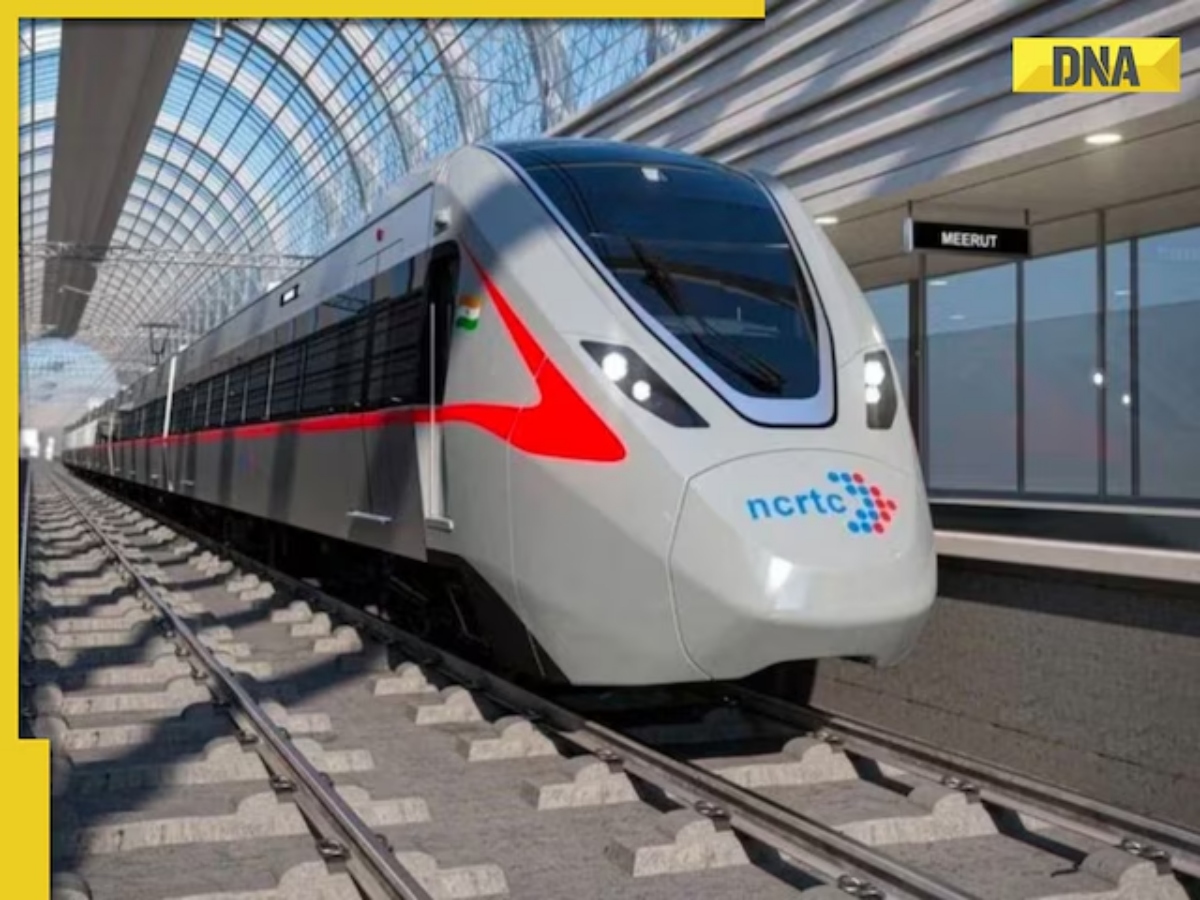
Following the success of the PM Surya Ghar Muft Bijlee Yojana, the Namo Bharat Corridor is set to become a model project. The NCRTC has taken a major step by ensuring that 60% of the corridor’s electricity needs will be met through solar energy, with a 110 MW solar power plant planned for this purpo
 "general File image")
Add DNA as a Preferred Source
General TRENDING NOW
-
)
US official issues BIG clarification on new USD 100,000 H-1B rules, says, ‘Visa fee applies only to…’
-
)
Donald Trump administration set to make another BIG announcement on…, US President says,’ we can’t let people…’
-
)
Bad news for Indian Amazon employees? Jeff Bezos’ company issues statement as Trump slaps $100,000 fee on H-1B visas
-
)
PM Narendra Modi to address the nation at 5 pm today
-
)
Emily in Paris star Lily Collins ‘painfully’ slim look SHOCKS internet; Know about her past eating disorder
-
)
Lokah Chapter 1 box office collection: Kalyani Priyadarshan film is inches away from becoming biggest Malayalam hit, will dethrone…
-
)
23 years ago, Zubeen Garg cheated death but his sister tragically died in a horrific road accident; here’s how he survived
-
)
Sanju Samson needs 83 runs to achieve major T20I milestone, set to join Virat Kohli in elite list
-
)
Zubeen Garg’s wife makes emotional plea for peace, comes to manager’s defense amid FIRs: Watch
-
)
Donald Trump H-1B visa hike of USD 100000 kicks in from today: Here are the 5 key facts you need to know
-
)
‘I won’t kiss you because your mouth smells’: Rishi Kapoor once revealed he quit smoking because of…
-
)
Rise and Fall: Dhanashree Verma breaks down as Pawan Singh exits, promises to wear saree for him, says ‘ek din main…’
-
)
IND-W vs AUS-W: Smriti Mandhana makes history, breaks Virat Kohli’s all-time ODI record with fiery century vs Australia
-
)
Meet actress born in royal family who gave a blockbuster at 20, refused to work with anyone but one hero, ruined her career; she is…
-
)
This Ba***ds of Bollywood actor quit films after Rakesh Roshan cut his role, tried luck in Canada real estate but ended up losing it all; he is…
China has become the world’s largest player in solar energy, investing heavily in solar panel production and lowering costs. This has caused solar energy prices to fall worldwide. India is also aiming to compete with China in solar development. Following the success of the PM Surya Ghar Muft Bijlee Yojana, the Namo Bharat Corridor is set to become a model project. The NCRTC has taken a major step by ensuring that 60% of the corridor’s electricity needs will be met through solar energy, with a 110 MW solar power plant planned for this purpose.
The NCRTC has invited online tenders for the construction of a 110 MW (AC) grid-connected solar photovoltaic (PV) power plant in Uttar Pradesh. The electricity generated will be used exclusively to power trains and stations on the Delhi-Ghaziabad-Meerut Namo Bharat Corridor. This project will operate in captive mode, supplying power solely to NCRTC. Electricity accounts for around 30–35% of the corridor’s total operating costs, and this initiative will help reduce these expenses significantly.
The NCRTC aims to meet 60% of the corridor’s total energy requirements through green energy. A 110 MW solar plant will be set up in partnership with a government entity and can be located anywhere in Uttar Pradesh. With a strong commitment to sustainability, NCRTC plans to meet up to 70% of the corridor’s energy needs from solar power. Once the full 82 km corridor is operational, rooftop solar installations on stations, depots, and receiving substations will generate an additional 15 MW. The future 110 MW solar plant will provide around 60% of the corridor’s energy needs.
General Environmental Benefits
This project is a major step towards protecting the environment, reducing carbon dioxide (CO2) emissions by around 177,000 tons annually. The solar power plant will connect to the Uttar Pradesh State Grid, which will supply electricity to the corridor via Receiving Substations (RSSs).
General Tender Process and Project Goals
Tenders have been issued to select an experienced solar energy developer for this project. The initiative promotes energy self-sufficiency and demonstrates NCRTC’s commitment to sustainable, environmentally friendly transport.
The project supports the National Solar Mission by increasing the use of renewable energy and integrating solar power into urban transport. It highlights NCRTC’s role in promoting clean energy for the region and the nation.
General Key Benefits:
- Reducing Carbon Footprint – The project will cut 177,000 tons of CO2 emissions each year, contributing significantly to combating climate change.
- Promoting Renewable Energy – It aligns with India’s National Solar Mission and sets a model for solar integration in mass transport.
- Controlling Air Pollution – Unlike fossil fuels, solar energy does not produce harmful pollutants such as nitrogen oxides (NOx) and sulfur dioxide (SO2), helping improve air quality in urban areas.
Find your daily dose of All Latest News including Sports News, Entertainment News, Lifestyle News, explainers & more. Stay updated, Stay informed- Follow DNA on WhatsApp.