When it debuted in 2003, “The Biggest Loser” might have seemed like a great idea for a TV show. By then, America had become increasingly obese. The contrast between a media obsessed with thinness and the reality of what American adults weighed was incredibly stark. The premise of the hit show was simple: Contestants with obesity, divided into teams and assisted by full-time coaches and a medical doctor, competed to lose the highest percentage of body weight within 30 weeks. Again, it might have seemed like a good idea — but it was not.
It might have seemed like a good idea — but it was not.
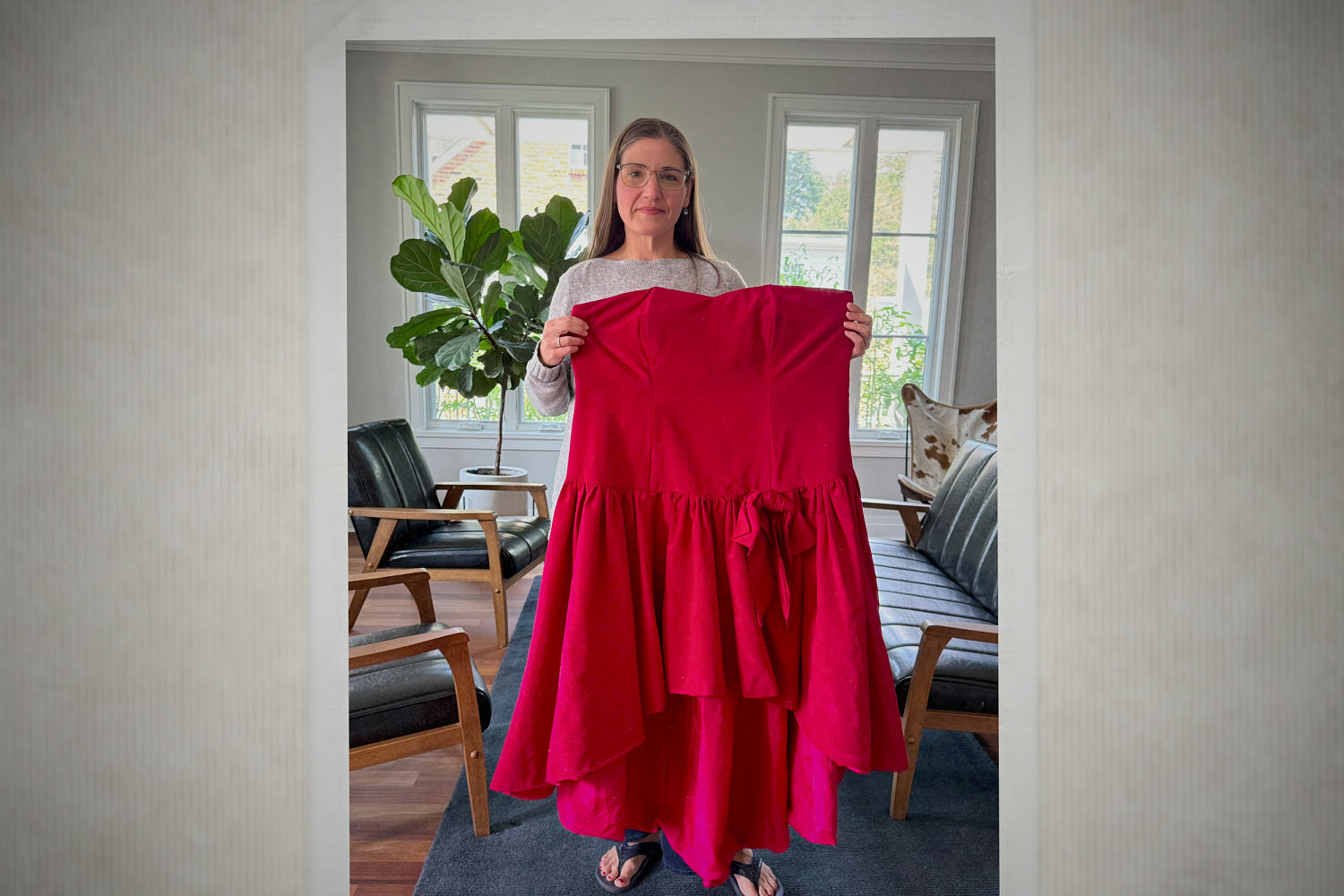
Yet for 17 seasons and well over a decade, “The Biggest Loser,” which originally aired on NBC, was a cultural phenomenon and a smash hit. At its peak, one premiere episode drew some 11.7 million viewers. The winner of any given season would leave Hollywood with their new body and their $250,000 cash prize and begin a media tour. And it wasn’t just a normal media tour; the winner didn’t simply perch on morning show couches sipping coffee or speak with entertainment reporters for a write-up. No, they would be asked to do things like stand inside of their old “fat jeans” and wave their hands in astonishment at the size, as the live studio audience gasped.
I do recall watching, although we didn’t tune in as a family like we did for, say, “American Idol” or “Survivor” or one of the other reality television shows that dominated the airwaves at the time. But “The Biggest Loser” was such a behemoth of a franchise that seemingly everyone knew about it.
That success, though, did not bequeath a legacy. Although cultural attitudes toward thinness and body positivity are changing every day — currently for the worse, I might add — the general sentiment toward “The Biggest Loser” is that it was exploitative at best and incredibly dangerous at worst.
That is what a three-part docuseries from Netflix that debuted this week explores. Called “Fit for TV: The Reality of the Biggest Loser,” the series examines the show from the perspective of former contestants, former winners, former producers and one of the notorious coaches, Bob Harper. Harper’s counterpart, an always screaming Jillian Michaels, did not participate in the documentary.
It should go almost without saying that the weight loss methods used on “The Biggest Loser” — extreme exercise, calorie restriction and, controversially, caffeine pills — did not work. Many of the contestants and even some of the winners gained all or much of the weight back after departing the show. Ultimately, though, the conversation around “The Biggest Loser” is not a conversation about health and wellness, but one about the way we treat people with obesity or who are overweight in this country.
The premise of writer and social commentator Roxane Gay’s 2017 book “Hunger: A Memoir of (My) Body” kept playing like a loop in my mind while I watched “Fit for TV.” In it, Gay writes, “When you’re overweight, your body becomes a matter of public record in many respects. Your body is constantly and prominently on display. People project assumed narratives onto your body and are not at all interested in the truth of your body, whatever that truth might be.”
There is a moment in the middle of “Fit for TV” where a season seven contestant named Joelle Gwynn recalled being berated on a treadmill by Harper.
There is a moment in the middle of “Fit for TV” where a season seven contestant named Joelle Gwynn recalled being berated on a treadmill by Harper. From footage that aired in 2009, we watch Gwynn, in her large “Biggest Loser” gray T-shirt, her hair slicked back from sweat, struggle to finish a 30-second run on the treadmill. She slows down at 20 seconds and Harper, standing in front of her, screams a torrent of profanities. Gwynn, reflecting on the incident in the documentary, said, “When Bob starts berating me, I go out of body, that’s the only way — I literally kid you not, I went out of body. … I’ve never seen someone get abused like that. It was very, very, very, very embarrassing. … It brought me back to home. I’m there because I would get s— like that at home and eat. So, you cursing me out doesn’t help me.”
But heightened emotional situations, manipulation and abuse were part of the show’s DNA — and a large part of what drove its success. Aside from verbal blow-ups between coach and contestant, something that Michaels in particular was known for, each episode would include what was called a “temptation.” Temptations would generally involve food, high-calorie fattening food, and a timed challenge. Whichever contestant ate the most hotdogs, for example, within a five-minute period would have the opportunity to win immunity from elimination or a cash prize. One particularly controversial temptation allowed the winning contestant to speak with a family member over the phone. Counterintuitive as it might seem for a weight loss show, temptations illuminate what “The Biggest Loser” is really about: spectacle and humiliation, not healthy and sustainable habits.
There is a well-documented connection between trauma, particularly childhood trauma, and obesity in adults. One study found that of patients undergoing bariatric surgery, which could include gastric bypass or a gastric sleeve, some 69% “reported some form of childhood abuse or neglect.” There are many studies that have found the same conclusion. As the documentary notes, “The Biggest Loser” prided itself in finding contestants with what they called “good stories.” That is, they selected contestants whose painful life experiences would make their weight loss success even more inspiring and poignant for viewers — and more emotionally taxing on the contestant.
The documentary asks the questions: Was there adequate emotional support on the set of “The Biggest Loser”? Of course not. Harper and Michaels functioned as both coaches and pseudo-psychologists, a sort of dystopian good cop/bad cop. Were either of them trained or licensed to perform as anything more than a fitness instructor? Again, of course not.
It’s hard not to consider the show’s title as an empathetic viewer in 2025. “The Biggest Loser” is a cruel double entendre, reinforcing the unshakable cultural perception that to have obesity is to be lazy and weak. Who ultimately loses, though, when we sit around at night watching a show based on others’ pain and humiliation? I know this much: It is not the contestants.
Hannah Holland is a producer for MSNBC’s “Velshi” and editor for the “Velshi Banned Book Club.” She writes for MSNBC Daily.