By Editorial Dept – Aug 21, 2025, 9:12 PM CDT
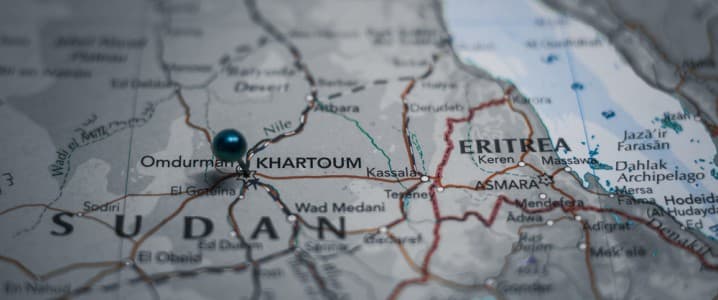
Sudan’s civil war is moving into a new phase, triggered by a reshuffle in Khartoum. General Abdel Fattah al-Burhan has moved loyalists into critical command slots and pulled an array of forces (regular army units, Darfur rebels aligned with the state, tribal auxiliaries, even Islamist brigades) into a unified chain of command. The step looks bureaucratic on the surface, but represents an attempt to close the gaps that allowed the RSF to grow into a rival military power. A tighter command structure means fewer competing fiefdoms, fewer opportunities for external patrons to cultivate their own clients, and a more coherent face to present to foreign capitals.
For the Saudis, of course (who back the Sudanese military), this is welcome news. The Saudi position has always been that a unitary Sudanese state, however brittle, is preferable to an archipelago of militias. The Kingdom’s Red Sea security calculus requires a stable counterpart in Port Sudan to protect shipping lanes and cooperate on defense. A Burhan-led SAF that appears disciplined and centralized gives Riyadh a stronger partner and vindicates its decision to back the army rather than flirt with local warlords (unlike the UAE). The SAF is now likely to get Saudi money out of this.
On the other side of this divide, the UAE’s influence in Sudan has flowed through Mohamed Hamdan Dagalo and the paramilitary RSF. The RSF’s funding streams, tied to the gold trade, run through Dubai’s markets. The RSF’s ability…
COMMUNITY MEMBERSHIP
(FREE)
GLOBAL ENERGY ALERT
($697 $279 PER YEAR)
- Breaking energy stories before they hit the mainstream media
- Top quality analysis from industry veterans
- Exclusive investment opportunities
- Digestible data breakdowns
- Geopolitical insights from our network of over 600 operatives
- Risk-free 30-day money back guarantee