By Michael Kern – Aug 14, 2025, 10:00 AM CDT
- The Trump administration is preparing to introduce new rules that will make it harder for renewable energy companies to qualify for federal tax credits by revising the definition of “under construction.”
- These potential changes are part of a broader policy shift, including the phasing out of clean energy tax credits under the One Big Beautiful Bill Act, and could lead to a significant loss of planned solar capacity.
- The uncertainty caused by these policy shifts is already impacting project developers and financiers, with some stalling projects while others accelerate efforts to secure existing subsidies.
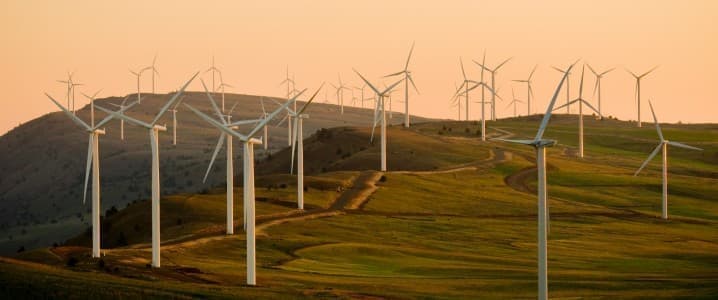
The Trump administration is poised to introduce new rules that could make it more challenging for renewable energy companies to claim federal tax credits, potentially slowing the development of wind and solar projects across the United States. The Treasury Department is expected to revise the definition of what constitutes “under construction” for these projects, a critical factor for qualifying for subsidies. This action follows a directive from U.S. President Donald Trump, issued in July, to review the existing regulations.
The potential changes are a part of a broader shift initiated by the Republicans’ One Big Beautiful Bill Act (OBBBA), which is phasing out clean energy tax credits earlier than originally planned. The current OBBBA requires projects to begin construction by July of next year to qualify for a 30% tax credit. Previously, these credits were available through 2032. The administration’s new focus is on restricting the use of “safe harbors,” which have historically allowed developers to qualify for credits by incurring at least 5% of a project’s costs or making significant physical progress.
Industry analysts suggest the Treasury Department could tighten these requirements by mandating a higher percentage of costs, perhaps 10% or 15%, or by implementing stricter rules on what counts as physical work. This could exclude off-site construction and require more consistent and verifiable on-site progress. The administration’s actions are the latest in a series of steps aimed at curbing the growth of renewable energy, which President Trump has publicly criticized as unreliable and expensive.
According to advisory firm Clean Energy Associates, these stricter rules could lead to a loss of approximately 60 gigawatts of planned solar capacity through 2030, enough to power about 10 million homes. This uncertainty has already impacted project developers and financiers. Reagan Farr, CEO of solar developer Silicon Ranch, stated that the “uncertainty has actually had a more negative impact than the legislation itself.”
Some companies have responded to the potential changes by stalling projects, while others, like San Francisco, Calif.-based Renewable Properties, have accelerated their efforts. Aaron Halimi, the company’s founder, said they have taken steps like purchasing American-made panels and increasing lines of credit to secure access to the subsidies. The Treasury Department has not responded to requests for comment on the upcoming changes. This development highlights the ongoing policy shifts affecting the renewable energy sector and their significant implications for investment and development decisions.
By Michael Kern for Oilprice.com
More Top Reads From Oilprice.com
Download The Free Oilprice App Today