General
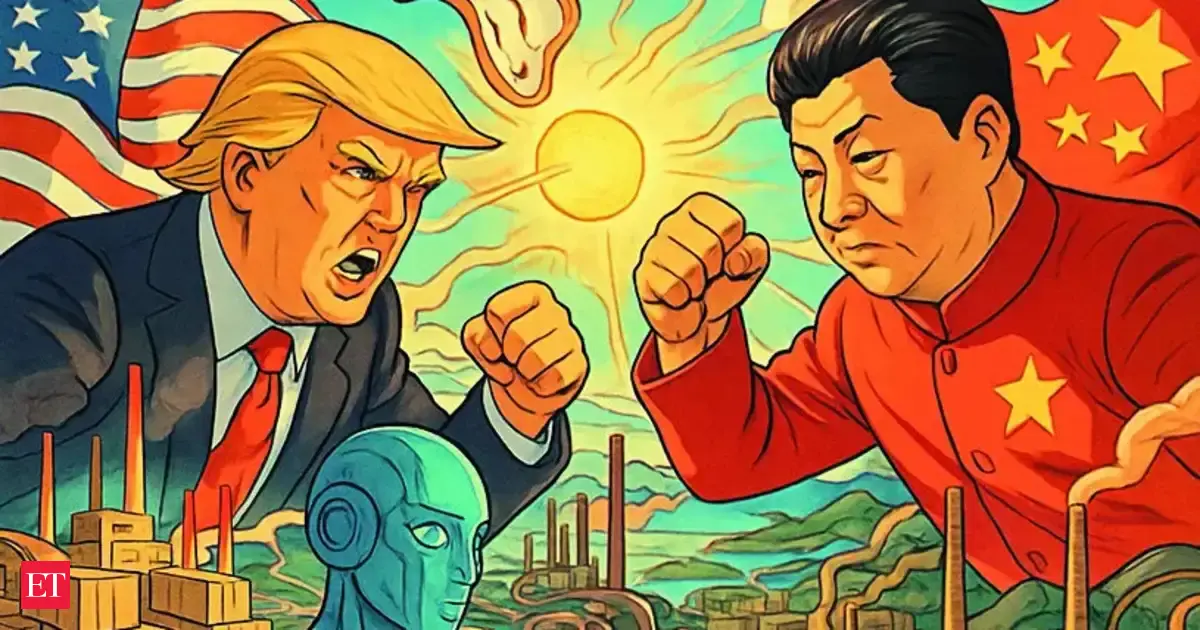
US President Donald Trump and Chinese President Xi Jinping have concluded a high-stakes meeting in Busan, South Korea, striking near-final deals that could ease one of the world’s most contentious trade disputes.
With tariffs on Chinese goods set to be cut from 57% to 47%, the agreement represents significant tariff relief aimed at cooling tensions that have rattled markets and supply chains worldwide.
Beyond numbers, the pact addresses pivotal issues including rare earth metals, fentanyl precursor controls, and, notably, China’s access to advanced US computer chips, a key driver for Beijing’s high-tech ambitions.
A key gain for China in the recent trade negotiations with the United States is the reduction in tariffs on Chinese goods by 10%, easing the financial burden on exports to the US market. This tariff rollback provides immediate relief to Chinese manufacturers and exporters, helping their products remain competitive in a critical market.
General Access to advanced computer chips
Perhaps China’s most strategic win will be if it secured access to advanced American computer chips, particularly those from Nvidia, a vital component for its high-tech economic ambitions. Although details of no such deal have surfaced, China’s demand for advanced chips would even out it giving up its rare earth leverage.
While Washington restricted sales of certain AI-specific Blackwell chips, a deal would allow Beijing to negotiate directly with Nvidia under US government oversight. This access might support China’s ongoing efforts to lead in robotics and high-tech industries.
General Rare earth metals supply: Status quo maintained
President Trump stated, “All the rare earths have been settled,” indicating an arrangement to keep the global flow of these essential materials uninterrupted for at least a year. However, China has not publicly confirmed this, and its historical use of rare earths as leverage remains a focal point. Maintaining supply without restrictions is crucial for global technology, green energy, and defense sectors.
General Agricultural purchases and economic cooperation
China has agreed to resume large-scale purchases of US soybeans and farm products, signaling agricultural diplomacy and economic reciprocity. This move helps mend the trade rift affecting American farmers and stabilizes supply chains.
While the US publicizes tariff cuts and trade facilitation, Beijing’s concessions remain less explicit. China gains tariff relief, but deeper trade-offs, including commitments on fentanyl precursor chemicals and enforcement of export regulations, remain less transparent.